Home / Projects

Computer Vision

Realtime Driver Fatigue Detection AI

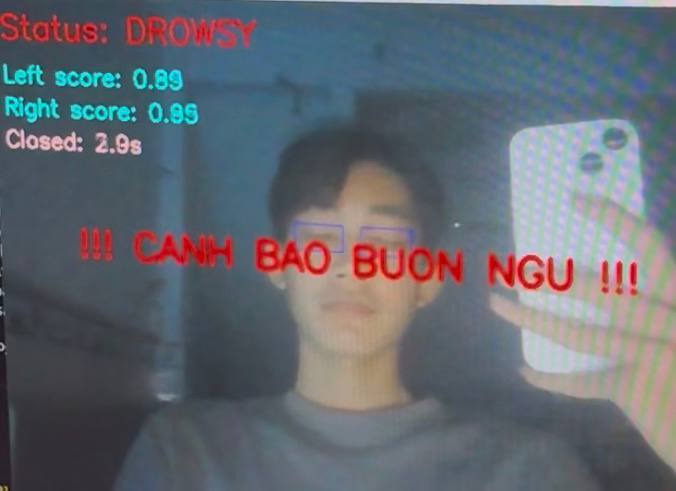
Realtime computer vision system for detecting driver drowsiness and fatigue using webcam-based eye-state analysis and AI inference.

Computer VisionPrototype
Runtime latencyWebcam inferenceRealtime analysisEdge-ready

System Type

Computer Vision

Runtime Target

Realtime / Edge-ready

Signal Path

Camera to alert engine

Overview

Realtime driver monitoring system designed to detect signs of drowsiness and fatigue using webcam-based computer vision, eye-state classification, and temporal alert logic. The system processes live webcam input, extracts eye regions using facial landmarks, performs realtime eye-state inference, and triggers alerts when prolonged eye closure is detected. This project focuses on low-latency realtime inference, fatigue scoring, and practical driver safety monitoring workflows.

System Pipeline

01

Camera

02

Detection

03

Tracking

04

AI Inference

05

Alert Engine

Webcam → Face Detection → Facial Landmark Tracking → Eye ROI Extraction → Eye-State Classification → Fatigue Scoring → Alert Engine

Tech Stack

PythonOpenCVMediaPipe

Problem

Driver drowsiness is one of the leading causes of road accidents. Detecting fatigue in realtime is challenging due to lighting conditions, webcam instability, and false-positive detections.

Solution

The system uses realtime facial landmark tracking and AI-based eye-state classification to monitor eye closure duration and detect signs of driver fatigue before dangerous situations occur.

Core Features

  • Realtime webcam monitoring
  • Eye-state analysis
  • Driver fatigue detection
  • Realtime alert system
  • Temporal fatigue tracking
  • Low latency inference

Engineering Challenges

One of the biggest challenges was handling unstable webcam input and reducing false positives caused by lighting variations and short eye blinks. Temporal scoring logic was added to improve realtime reliability instead of relying on single-frame predictions.

Low-light detection stability
False positive reduction
Temporal scoring across noisy frames
Webcam angle and frame jitter
Realtime CPU constraints
Consistent alert thresholds

Results

Realtime latency

24-40ms

Inference speed

28 FPS

Confidence range

0.82-0.96

Deployment

Edge-ready

Low-light mode

Supported

Input source

Webcam / IP camera

Future Improvements

Head pose estimation Yawn detection Browser-based inference Edge AI deployment Multi-driver monitoring Realtime analytics dashboard

Repository

Source code, experiment notes, and downloadable assets can be attached to this case study.

Last updated: 5/7/2026

Repository pending